

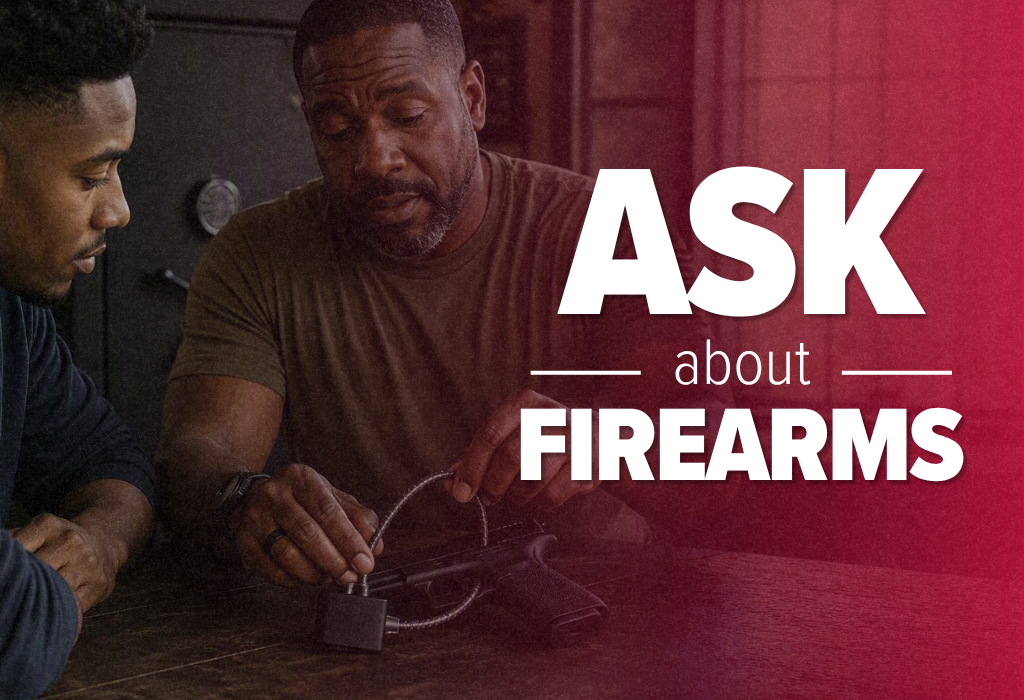
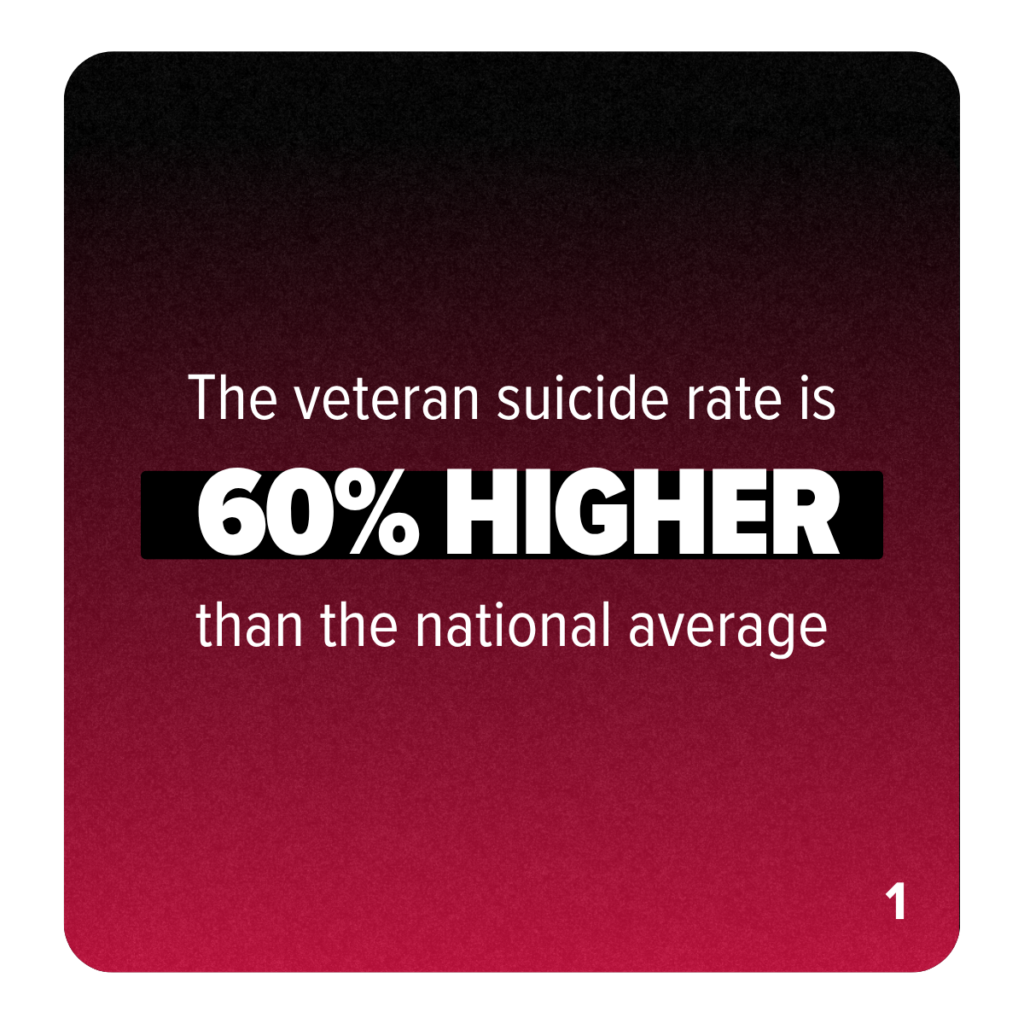
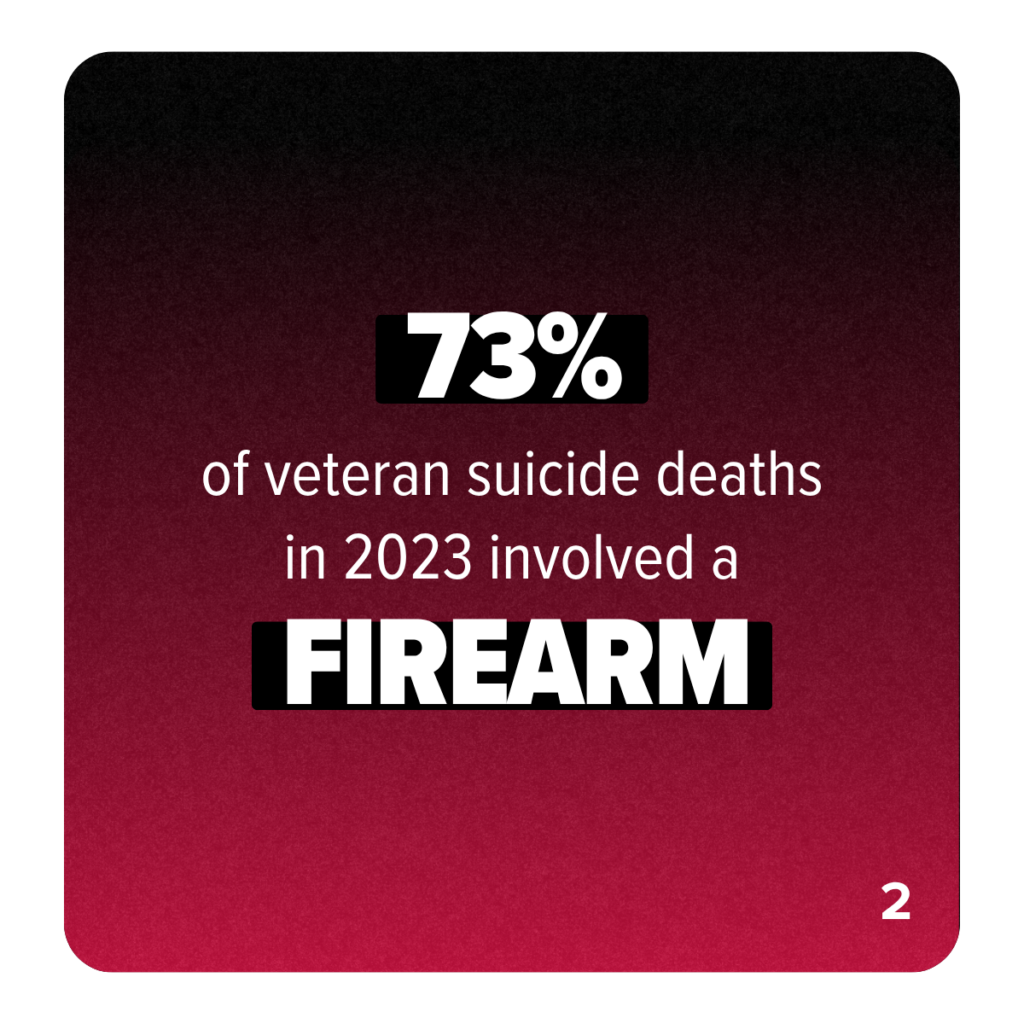
For military and veteran communities, talking about firearm access and secure storage is an essential part of suicide prevention. A new toolkit, supported by Face the Fight and developed by CVN-Institute for Quality, Ask Anyway: How to Have Conversations for Firearm Safety helps encourage respectful conversations about safety and planning before a crisis occurs. These conversations matter because suicidal crises are often temporary and can escalate quickly. Research shows that creating time and distance between a person in crisis and a firearm can save a life.
Secure firearms storage is a practical way to reduce risk, protect families, and create opportunities for support when someone is struggling. Learn how to start conversations about firearm safety before a difficult moment occurs.
When talking about firearm safety, how you approach the conversation matters. For many veterans, service members, and military families, firearms are an important part of daily life and may be connected to protection, recreation, tradition, or service. Because of that, some people hesitate to start the conversation for fear of saying the wrong thing or causing offense. But approaching these conversations with respect and a focus on safety can help build trust and create opportunities for meaningful dialogue before a crisis occurs.
That’s why it’s important to Ask Anyway.
What Works
Lead with respect and acknowledge the role firearms play in a person's life
“I know hunting is an important hobby for you” or “I can see why having a firearm at home helps you feel more secure.”
Focus on protection and home safety vs restriction
“Making sure firearms are stored securely, is one more way we can keep everyone safe at home” or “Safe firearm storage isn’t about taking anything away. It’s about reducing risk and protecting the people you care about”
Use collaborative language
“Could we brainstorm some options together?” or “I really want to hear your ideas on what feels practical and safe for your family”
Emphasize temporary, voluntary steps
“When someone is going through a particularly tough time, it can help to put a few extra safety measures in place until things settle down” or “This doesn’t have to be forever. It’s simply one way to get through a difficult period together more safely”
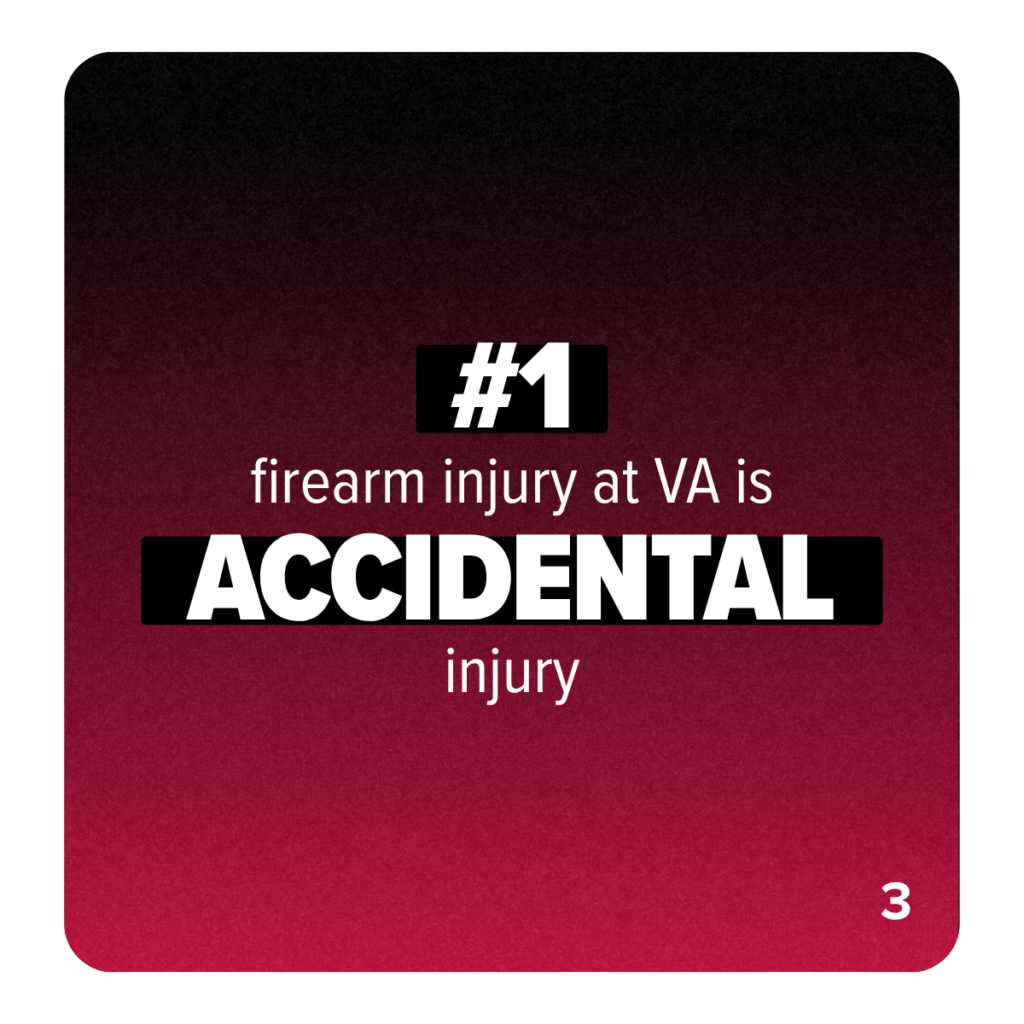
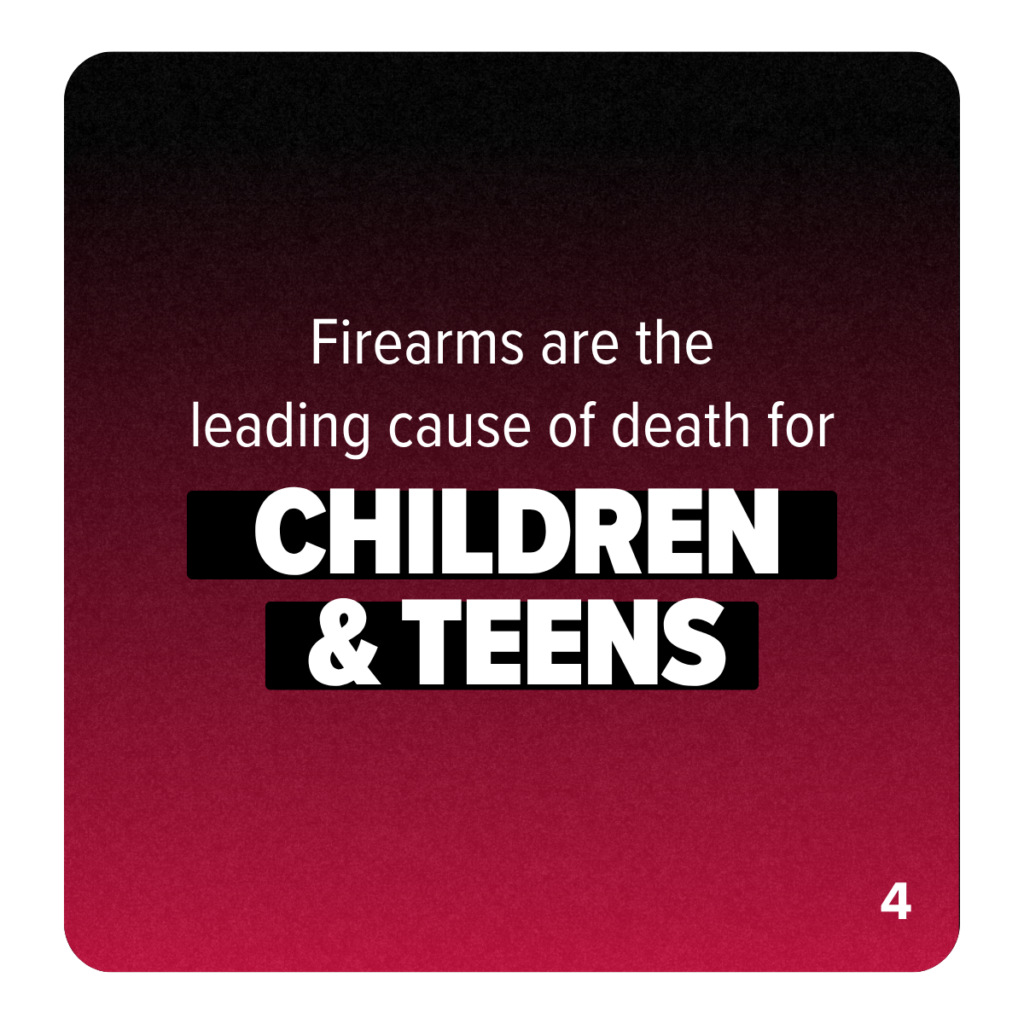
Connect secure storage to preventing accidental injury
“People don’t usually secure medications, cleaning supplies, or other hazardous items because they expect something bad to happen. They do it because good safety habits prevent accidents for the family. Secure firearm storage is no different.”
Normalize the conversation as part of everyday safety planning
“Talking about firearm safety is really no different than talking about seatbelts, smoke detectors, or keeping medications secure.”
What Doesn't Work
Assumptions about someone's mental health or level of risk
Framing the conversation as taking away rights or access
Using fear-based, judgmental or confrontational language
Assuming all firearm owners have the same needs or reasons for ownership
Waiting until the crisis occurs to discuss safety planning
Download the Cohen Veterans Network Institute for Quality (CVN-IQ) firearm safety conversation guide.
Ask Anyway
You don’t have to be certain someone is at risk to talk about safety. Anyone can experience a difficult moment, risk can change quickly, and planning ahead can help protect the people we care about.
Don’t wait until you feel completely comfortable or confident to start the conversation. People rarely regret asking a caring question — but after a tragedy, they often regret the conversations they never had.
Common Questions About Firearm Safety Conversations:
It’s normal to have questions about discussing firearm safety. Click on the tabs to the left for some common concerns and evidence-informed responses.
Does talking about firearm safety mean taking away someone’s rights?
No. Conversations about firearm safety are intended to support voluntary, temporary, and self-directed decisions. The focus is on creating additional safety during periods of stress or crisis—not on restricting firearm ownership or changing someone’s rights.
Does secure storage mean giving up my firearms?
Not necessarily. Secure storage can include a range of voluntary and temporary options, including locks or safes, depending on an individual’s needs, circumstances, and reasons for firearm ownership. The goal is to create time and distance during periods of elevated risk while respecting personal preferences and responsibilities
If someone is well-trained with firearms, aren’t they less at risk?
Training and firearm proficiency are important, but they do not eliminate risks of unsecured firearms in the home. Suicide risk can affect anyone, and moments of crisis often develop quickly. Secure storage is not a replacement of that training; it’s an additional safety measure that can help protect individuals and families during challenging moments and prevent accidental injury.
Secure storage devices seem expensive. Are there affordable options?
Cost shouldn’t be a barrier to safety. There are a variety of storage solutions available at different price points, and many communities offer free or reduced-cost firearm locks. For example, every veteran can get a free cable gun lock from your local VA facility. The most effective solution is often the one that is realistic, practical, and works for the individual and their household.
If someone wants to die, won’t they just find another way?
No, not always. Many suicidal crises are brief, and people often have a preferred method. Creating time and distance from highly lethal means can reduce risk, create opportunities for support, and save lives.
Firearm Safety Resources and Support
Need immediate support? The Veterans Crisis Line is a free, confidential resource available 24/7 for all service members, including members of the National Guard and Reserve, and veterans. Dial 988 and Press 1 or visit veteranscrisisline.net for more info and OCONUS call numbers.
To learn more about secure storage, click the links below:
For more suicide prevention information and resources visit cohenveteransnetwork.org/suicideprevention
- U.S. Department of Veterans Affairs, Office of Mental Health and Suicide Prevention. (2026, March). 2025 National veteran suicide prevention annual report. Part 2: Report findings. Retrieved August 24, 2026, from https://www.mentalhealth.va.gov/docs/data-sheets/2025/2025_Annual_Report_Part_2_508.pdf
- U.S. Department of Veterans Affairs, Office of Mental Health and Suicide Prevention. (2026, March). 2025 National veteran suicide prevention annual report. Part 2: Report findings. Retrieved August 24, 2026, from https://www.mentalhealth.va.gov/docs/data-sheets/2025/2025_Annual_Report_Part_2_508.pdf
- Lucero-Obusan, C. A., Wendelboe, A. M., Schirmer, P., Oda, G., & Holodniy, M. (2017). Firearm Injury Encounters in the Veterans Health Administration (VHA), 2010-2015. Online Journal of Public Health Informatics, 9(1), e146.
- Naik-Mathuria, B. J., Cain, C. M., Alore, E. A., Chen, L., & Pompeii, L. A. (2023). Defining the Full Spectrum of Pediatric Firearm Injury and Death in the United States: It is Even Worse Than We Think. Annals of surgery, 278(1), 10–16.https://doi.org/10.1097/SLA.0000000000005833