

Military deployments impact more than the service member; they impact entire families. While homecomings are often filled with excitement and relief, family reintegration after deployment can also bring unexpected challenges.

Why Family Reintegration After Deployment Can Be Challenging
Long separations can shift family roles, routines, and expectations. Service members may be adjusting from a highly structured, mission-driven environment back into family life, while partners and military children may have developed new patterns of independence.
These changes can show up as:
- increased stress
- miscommunication
- emotional distance
- irritability
- sleep disruption
- difficulty reconnecting as a family unit
Practical Tips for Family Reintegration After Deployment
From a clinical perspective, family reintegration after deployment is less about “picking up where things left off,” and instead about intentionally renegotiating roles, rebuilding connection, and allowing space for adjustment on all sides. Families often benefit from slowing the process down, normalizing mixed emotions, and approaching the transition with curiosity rather than urgency.
Here are six helpful strategies military families can use during reintegration:
Set Realistic Expectations
Give yourselves permission for the transition to take time. It is normal for routines, communication, and closeness to feel uneven at first.
Re-establish Routines Gradually
Predictable schedules for meals, bedtime, school, and work can help create a sense of stability, especially for children, without overwhelming the returning service member.
Create Space For Open Communication
Schedule intentional check-ins where each family member can share what has been hard, what has helped, and what they need moving forward, without problem-solving right away.
Acknowledge Changes in Roles and Independence
Partners and children may have developed new skills and responsibilities during deployment. Recognizing these shifts can reduce power struggles and support collaboration.
Reconnect Intentionally
Start with low-pressure activities (i.e. shared meals, walks, or brief family time) rather than expecting immediate emotional closeness.
Support Emotional Adjustment and Know When to Seek Help
Encourage kids to talk, draw, or play out their feelings. At the same time, watch for signs like irritability, withdrawal, sleep difficulties, or heightened anxiety. These may indicate reintegration stress and reaching out for counseling or support services early can help families adjust more smoothly.
Moving Forward Together After Deployment
Family reintegration after deployment is a process that takes time. Adjusting to new routines and roles is not always easy, but it is a meaningful opportunity to reconnect and grow stronger together. By approaching this transition with openness, realistic expectations, and a willingness to seek support when needed, military families can rebuild trust, strengthen communication, and create a renewed sense of stability at home.
If challenges arise along the way, you don’t have to navigate them alone. Our Cohen Clinics provide compassionate, confidential mental health care for active duty service members and their families as they transition after deployment. In the coming months, many clinics, such as our Cohen Clinic at The Up Center, will continue offering events and groups focused on strengthening communication, resilience, parenting support, relationship health, and successful military family reintegration.
If you or someone you know could benefit from support during this transition, Cohen Veterans Network is here to help. Find a Cohen Clinic near you.
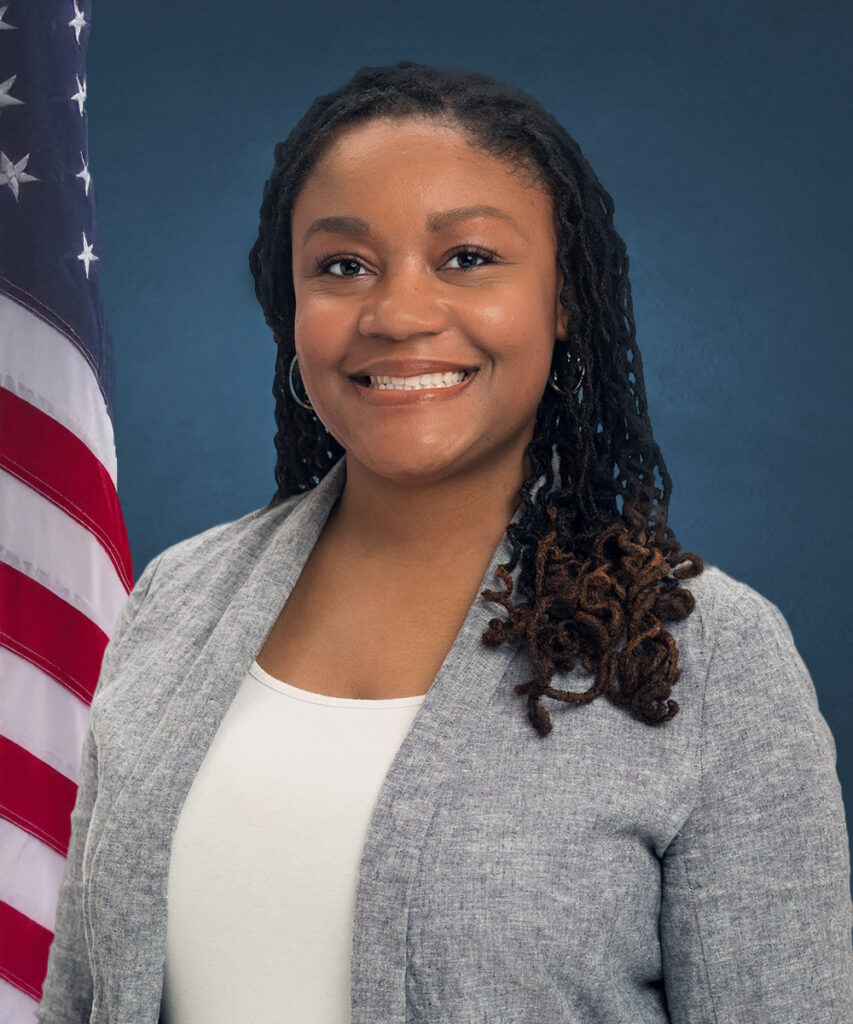
Tanetta Hassell, LCSW
Clinic Director | Steven A. Cohen Military Family Clinic at The Up Center
Tanetta Hassell is the Clinic Director at the Steven A. Cohen Military Family Clinic at The Up Center and a Licensed Clinical Social Worker (LCSW) with extensive experience serving individuals, families, and communities impacted by trauma and life challenges. Throughout her career, she has worked across a variety of clinical settings, developing expertise in trauma-informed care, behavioral health services, and leadership within multidisciplinary teams.
As a clinician and leader, Tanetta is passionate about ensuring military-connected individuals and families have access to high-quality, evidence-based mental health care. She is dedicated to fostering a collaborative, compassionate environment that supports both clients and staff while advancing positive outcomes for the communities served.
What motivates Tanetta most is witnessing the growth, resilience, and transformation of the individuals and families who seek support. Outside of work, she enjoys quiet time and embraces her introverted nature despite working in a people-centered profession.